How to Handle the Instant Rush of Fear With OCD
Jul 29, 2026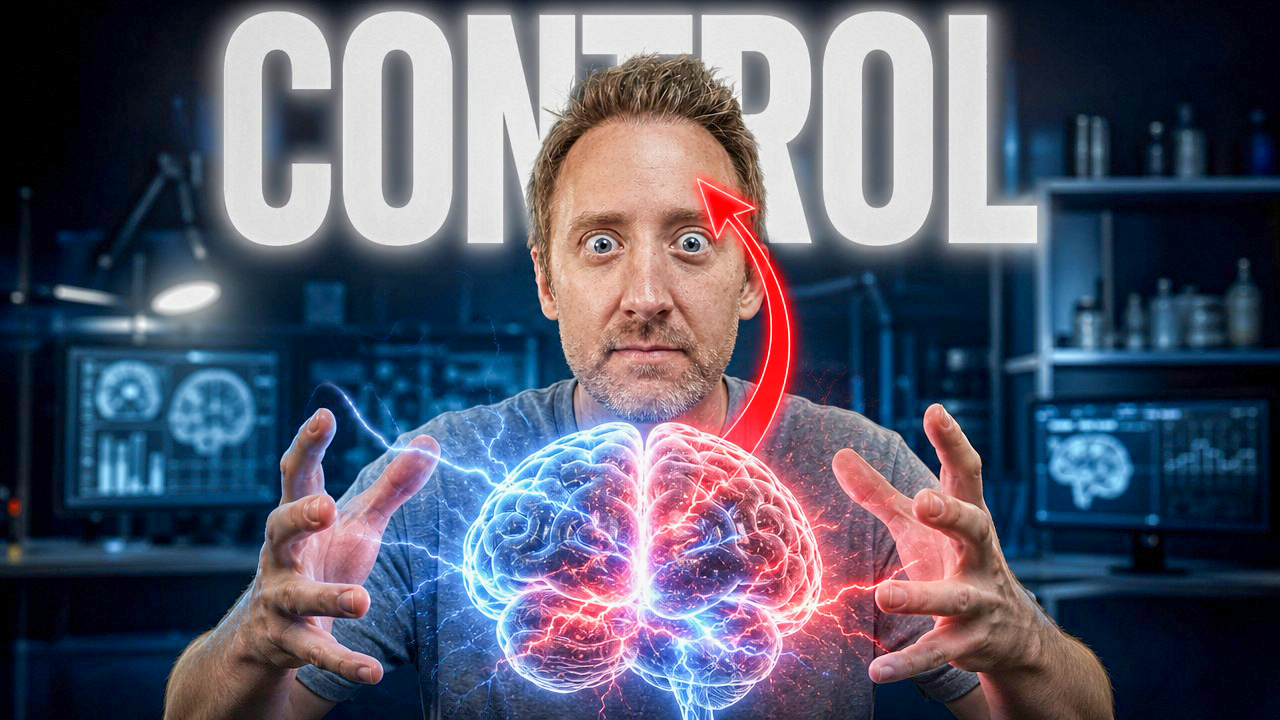
When I feel anxious, it always starts the same way. A thought hits out of nowhere. My whole body goes cold. Heart racing. Stomach drops. That wave of dread crashes over me and I think: ah, crap. Here we go again.
And immediately, every instinct says: do something. Fix it. Make it stop.
Even though I teach this every day, it is so hard to get out of that problem-solving mode. Because that instinct is exactly what keeps you stuck.
Here's what I want you to take from this post: that adrenaline spike you've been desperately trying to get rid of? You can use it as a tool. By the end of this, you'll know exactly how to flip it from the thing that wrecks your day into the thing that actually trains your brain to be less afraid.
WHAT'S ACTUALLY HAPPENING
Your Brain's Overenthusiastic Security Guard
When an intrusive thought shows up, your brain doesn't go "hm, interesting thought, probably nothing." It goes straight to the alarm system. There's a structure in your brain called the amygdala. Think of it as your 24/7 security guard. In people with OCD and anxiety, that guard is overenthusiastic.
It sees an intrusive thought, a thought that everyone has, and treats it as a genuine threat. It fires off signals. Your body floods with adrenaline and cortisol. Racing heart. Tight chest. Shortness of breath. There is a problem. All because of a thought.
Then your brain looks at your own physical reaction and says: "See how scared you are? This must be serious." That's the second wave of fear, the panic about the panic. Now you've got the original thought plus the full body alarm response plus your brain using all that as evidence that it was right.
What Most People Do That Makes It Worse
When the spike hits, most people do one of a few things:
- ✓ Try to shut it down, push it out, replace it with something else
- ✓ Start analyzing it: where did this come from? What does it mean? Am I okay?
- ✓ Seek reassurance: Google it, text someone, replay it over and over
All of those have one thing in common. They treat the fear spike like a problem that needs to be solved right now. Every time you do that, you send your brain one message: this thought is dangerous.
Instead of calming your brain, you accidentally trained it to be more afraid. Every time you tried to fix it, you reinforced the alarm.
HOW ANXIETY ACTUALLY WORKS
Anxiety Is a Wave
Anxiety builds, it climbs, it hits its peak, and then it drops back down. If you don't throw fuel on it, it falls on its own every single time.
ERP is built entirely on this. You let the wave build. You don't fight it. You don't paddle away from it. You ride it. Over time, your brain learns: this is not a threat. The alarm was wrong.
ACT adds something useful here. You're not even trying to make the wave smaller. You're building willingness. And willingness doesn't mean you want to feel anxious or that you like it. It just means you're choosing not to fight it.
"This wave is here. Hello, wave. I'm not going to pretend it isn't. But I'm also not going to bail when it gets hard. If the water is rough, it's rough. If it's calm, it's calm. Welcome." Stop trying to control the wave. Learn to surf it.
WHAT TO DO INSTEAD
5 Steps for When the Spike Hits
Notice it — and get excited
Instead of reacting, observe it. "Hey. There's a spike. There's my adrenaline. My amygdala just fired the alarm. Cool." You're not agreeing with the thought. You're not arguing with it. You're just stepping back and watching. Treat it like an opportunity. "Oh, it's here. Time to practice."
Don't do anything
No Googling. No texting someone for reassurance. No replaying the thought. Every cell in your body is screaming that doing nothing is the wrong answer. That's exactly why it's the right one. You're sitting on the beach watching waves. Are they going up? Coming down? You're just watching.
Lean into it
Instead of trying to shrink the fear, let it get as big as it wants to. Don't brace against it. Don't hold your breath. Don't grab your phone. Put your arms out. Breathe normally. Notice exactly where you feel it in your body — chest, stomach, throat. Let it be there. Let the wave build. It has to drop. And you don't care when it drops.
Treat it as practice and do the exposure
Use your maybe maybe not statements. "Maybe this thought means something terrible. Maybe it doesn't. Maybe I'll feel this all day. Maybe I won't. That'd be amazing." Then go engage with whatever triggered the spike in the first place. Write it down. Find articles or videos about it. Go near the thing that scared you. You're not waiting to feel better before doing exposures. You're doing them while anxious. That's when you're supposed to do them.
Don't check if it's working
"Has it worked yet? Is my anxiety still there? Am I less anxious?" That's a compulsion. The moment you're checking whether the anxiety is dropping, you're telling your brain: the only reason I'm doing this is to make the anxiety go away. Success is not measured by how much anxiety you feel. It's measured by whether you did the compulsion or not.
THE SNEAKY TRAP
Avoiding the Trigger Afterward
After a spike, a lot of people start avoiding whatever triggered it. Was it that show I watched? This person I talked to? Let me just stay away from that from now on.
If something specifically triggered the spike, write it down. Then create exposure opportunities around it. How can you expose yourself to that trigger over and over so it doesn't catch you off guard next time?
When you're not reacting to the alarm going off, you're steadily recalibrating your brain. But it needs those experiences often, not avoided. You do that enough times and your brain starts thinking: why aren't you reacting? This must not be a big deal. And it stops firing.
Flip the Adrenaline From Enemy to Tool
Most people spend enormous energy trying to avoid the spike. Don't think that thought. Don't go near that thing. Stay safe. But every time you avoid it, you're telling your brain the alarm was right.
The shift is treating the adrenaline as a signal to practice, not a signal to escape. "It's here. Time to work." That's the whole game.
If you want a full structured plan to work through this step by step, the Master Your OCD course covers every skill from this post and builds them into a complete ERP system. You can try it free.
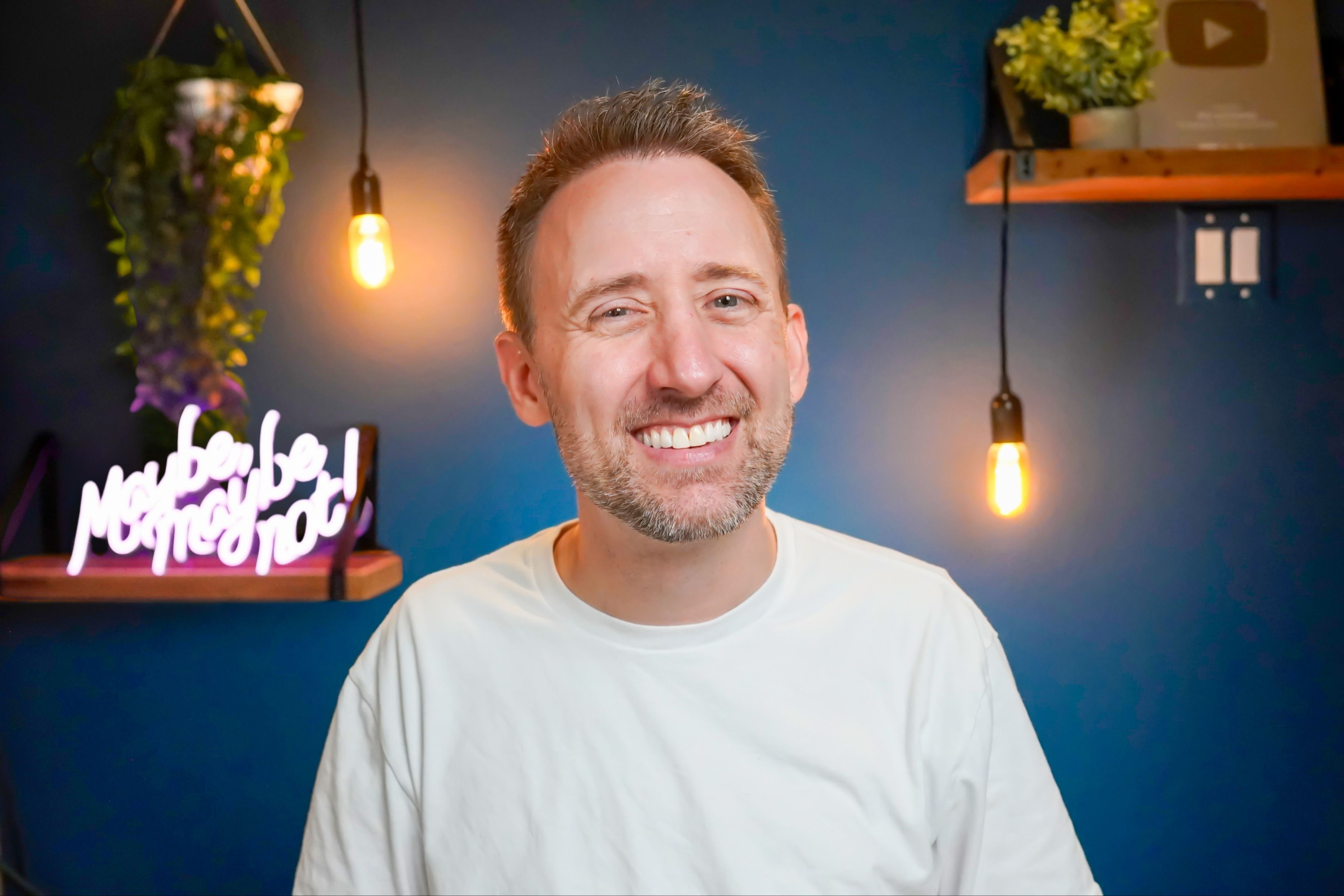
Nathan Peterson, LCSW — Licensed therapist specializing in OCD, anxiety, and related conditions. Nathan has helped thousands of people through evidence-based treatment and education.
LCSW Licensed Therapist | 10,000+ Course Students | 24M+ YouTube Views | Penguin Random House Author
 |
Build your full ERP planMaster Your OCD takes you through every skill from this post and builds them into a complete system, step by step, from home.
|
Author