Magical Thinking OCD: Understanding Symptoms and Daily Experiences
magical thinking ocd Jun 24, 2024
Obsessive-Compulsive Disorder (OCD) is a complex mental health condition characterized by unwanted and intrusive thoughts (obsessions) and repetitive behaviors or mental acts (compulsions). One lesser-known subtype of OCD is Magical Thinking OCD. This form is defined by the belief that one's thoughts, words, or actions can influence events in ways that defy the laws of cause and effect. In this blog, we will explore the symptoms of Magical Thinking OCD and how individuals cope with and manage this condition in their daily lives.
What is Magical Thinking OCD?
Magical Thinking OCD involves a heightened sense of responsibility over events that are typically out of one’s control. Those with this subtype of OCD believe that their thoughts, actions, or rituals can prevent harm or bring about specific outcomes. For example, someone might believe that thinking about a loved one getting hurt will cause it to happen unless they perform a specific ritual or avoid certain numbers or colors.
Common Symptoms of Magical Thinking OCD
1. Intrusive Thoughts
People with Magical Thinking OCD often experience intrusive thoughts that are distressing and hard to ignore. These thoughts can be irrational and are typically centered around fear of causing harm or preventing bad outcomes through specific actions or thoughts. For example, someone might have persistent thoughts about causing accidents or disasters if they don't think or act in a particular way.
2. Compulsive Behaviors and Rituals
To counteract or neutralize their intrusive thoughts, individuals with Magical Thinking OCD may engage in compulsive behaviors or rituals. These can include repetitive actions like touching objects a certain number of times, avoiding specific words or numbers, or mentally repeating phrases to ward off perceived threats. These rituals are performed to alleviate anxiety and prevent the feared outcome, even though they are not logically connected to it.
3. Avoidance
Avoidance is a common coping mechanism in Magical Thinking OCD. People may avoid places, objects, or activities that they associate with their fears. For instance, someone might avoid walking under ladders, stepping on cracks, or using particular numbers or colors in their daily activities because they believe these actions could lead to negative outcomes.
4. Perfectionism
There is often a strong desire for things to be "just right" or to feel a sense of completeness. This need for perfection can lead to excessive checking, arranging, or repeating actions until they feel correct. For example, an individual might repeatedly adjust their environment until it feels perfectly aligned or symmetrical.
Living with Magical Thinking OCD
Impact on Daily Life
Magical Thinking OCD can significantly disrupt a person's daily routine. The time-consuming nature of compulsions and rituals can interfere with work, school, and personal relationships. For example, someone might be late for appointments because they spent excessive time performing rituals to ensure nothing bad happens during their absence.
Coping Strategies
While living with Magical Thinking OCD can be challenging, there are strategies that individuals can use to manage their symptoms effectively.
-
Cognitive Behavioral Therapy (CBT): CBT, particularly Exposure and Response Prevention (ERP), is a proven therapy for OCD. It helps individuals face their fears and resist the urge to perform rituals, thereby reducing the power of their obsessive thoughts over time.
-
Mindfulness and Relaxation Techniques: Practices like mindfulness meditation, deep breathing, and progressive muscle relaxation can help reduce anxiety and increase tolerance to distressing thoughts without resorting to compulsions.
-
Medication: Selective Serotonin Reuptake Inhibitors (SSRIs) are often prescribed to help manage the symptoms of OCD. These medications can reduce the intensity of obsessive thoughts and the urge to perform compulsions.
Seeking Support
It's crucial for individuals with Magical Thinking OCD to seek support from mental health professionals, as well as friends and family. Support groups can also provide a sense of community and understanding.
Self-Compassion and Patience
Living with Magical Thinking OCD requires a lot of self-compassion and patience. Understanding that these thoughts and behaviors are part of a condition and not a reflection of one's character can be a crucial step toward managing the disorder.
Conclusion
Magical Thinking OCD can be a debilitating condition, but with the right treatment and support, individuals can lead fulfilling lives. By recognizing symptoms and adopting effective coping strategies, those affected can reduce the impact of OCD on their daily lives and regain control over their thoughts and actions.
Author

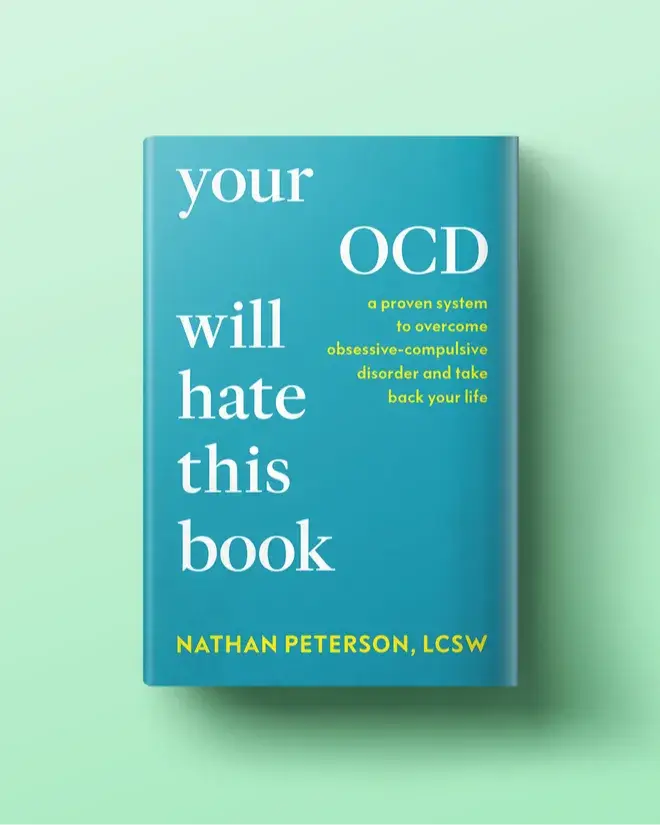
Nathan Peterson
Licensed Clinical Social Worker
Recent Posts
Categories