How to Overcome Claustrophobia and Fear of Flying
May 20, 2026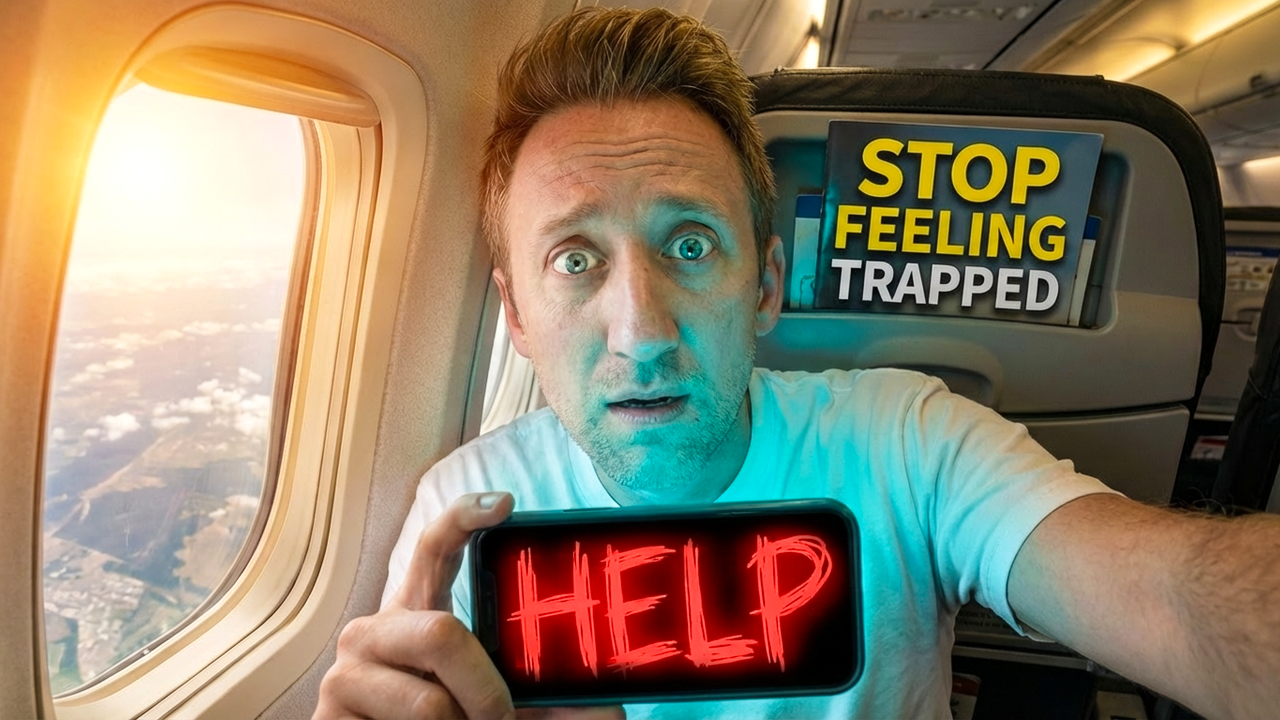
Flights. Elevators. MRIs. The backseat of a car. If any of these make your heart race or your palms sweat, this post is for you.
Most people think claustrophobia and fear of flying are things you just live with forever. That's wrong. And I'm going to show you exactly how to stop feeling trapped — using exposures, not breathing exercises.
WHAT'S ACTUALLY HAPPENING
It's Not About the Plane Crashing
Most people think fear of flying is about dying in a crash. Research shows that's not what's actually driving it for most fearful flyers. They're afraid of losing control or feeling trapped.
If you have claustrophobia, flying combines everything: small space, sealed doors, you can't leave. Your brain is firing the alarm signal — you're trapped, something bad's going to happen, you have no control — even when you're perfectly safe.
Where does it come from?
- ✓ Being trapped or confined as a child
- ✓ A triggering event in adulthood — stuck elevator, severe turbulence, heavy traffic
- ✓ No clear traumatic event at all — it can develop without an obvious cause
But here's what makes it worse: every time you avoid the flight, take the stairs instead of the elevator, cancel the MRI — you're teaching your brain that avoidance works. And it grows. And grows. And grows.
Why Deep Breathing Isn't the Answer
Go on YouTube right now and search "how to get over fear of flying." Almost everyone is going to tell you to practice deep breathing — box breathing, bring an eye mask, just relax.
Calming techniques help you relax. But they're not fixing the problem. They're just getting you through it. And when you rely on breathing exercises, alcohol, a benzo, or a good luck charm to survive the flight — you're teaching your brain you can only survive if you do these things.
Next flight, you need the drink again. And the one after that. The cycle continues because you never actually taught your brain it doesn't need to panic.
THE TREATMENT
3 Steps to Actually Overcome This
Stop all safety behaviors
No alcohol. No benzos. No good luck charms. No calming music. No breathing exercises planned in advance. All of these tell your brain the situation actually is dangerous and you need protection. We're just going on the flight.
Build up with repeated exposures
You can't get on a plane every day — but you can do exposures that build toward it. The goal is to activate the feeling of being trapped, repeatedly, until your brain stops treating it as an emergency.
Start with videos: Watch turbulence footage, elevator fails, MRI scans, caves, anything that makes you uncomfortable. Watch it over and over. Even if your anxiety doesn't spike — that's fine. Do it anyway.
Try VR: There are videos that simulate being on an airplane. Just don't make yourself sick.
Write a script: First person, worst case scenario. You're stuck on the plane, having a panic attack, you throw up on the person next to you. Read it repeatedly without doing any compulsions afterward.
Physical simulation: Wrap yourself in a blanket on the floor, arms pinned down, and don't move. How long can you go — 5 minutes, 10, 20? Sit in a dark closet with sounds of a plane or MRI playing.
Ride elevators: Find one and ride it up and down over and over. I've done this with clients for three hours in a hospital. We stopped at random floors, jumped to make it shake, pretended it was a plane. It's not a plane — but the feeling of no control is real. And it worked.
Go to the airport: Sit in the parking lot and watch planes take off. Go inside. Imagine boarding. Get as close as you can. Then do it for real.
Change your response to every threat
Any threat your brain throws at you — maybe, maybe not. Or go full agreement with it.
"We're going to crash." Yeah, man. Awesome. Hope so.
"I hope I lose control. I hope I panic harder. Maybe I'll scream and everyone will stare at me. Hope someone records it and I go viral."
If you sit there thinking I hope I don't panic, this is going to be horrible — you'll notice the symptoms even more. Find your core fear and lean into it instead of fighting it.
THE KEY MINDSET
Fake It Till You Make It — But Do It Every Day
A lot of people say "being in a blanket is not the same as being on a plane. This isn't going to work." You're absolutely right — it's not the same. But by the time you get on that actual plane, if you've done these exposures consistently, what was a 10 out of 10 anxiety might be a 4, a 3, a 2, or you just don't care anymore.
This isn't a life sentence. "I've got claustrophobia. That's just how it is." No — this is something you have right now that you can actually change the way your body responds to. The brain can be retrained.
Multiple times a day. Every single day. Turn off the lights, watch the video, ride the elevator, wrap yourself in the blanket. Do it again and again. Your brain needs to learn it's making a way bigger deal of this than it needs to.
You Don't Have to Avoid Forever
Avoidance feels like relief. But every time you skip the flight or take the stairs, you're making the fear a little stronger. The only way out is through — and the exposures make "through" a lot more manageable than you think.
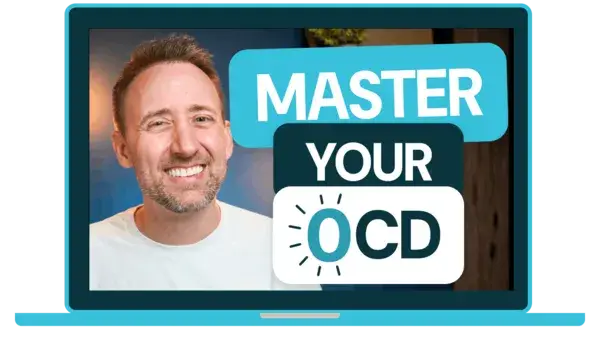
Start small. Work up. Do it again. The Master Your OCD course walks through how to build an exposure hierarchy for exactly this kind of fear — step by step, at your own pace.

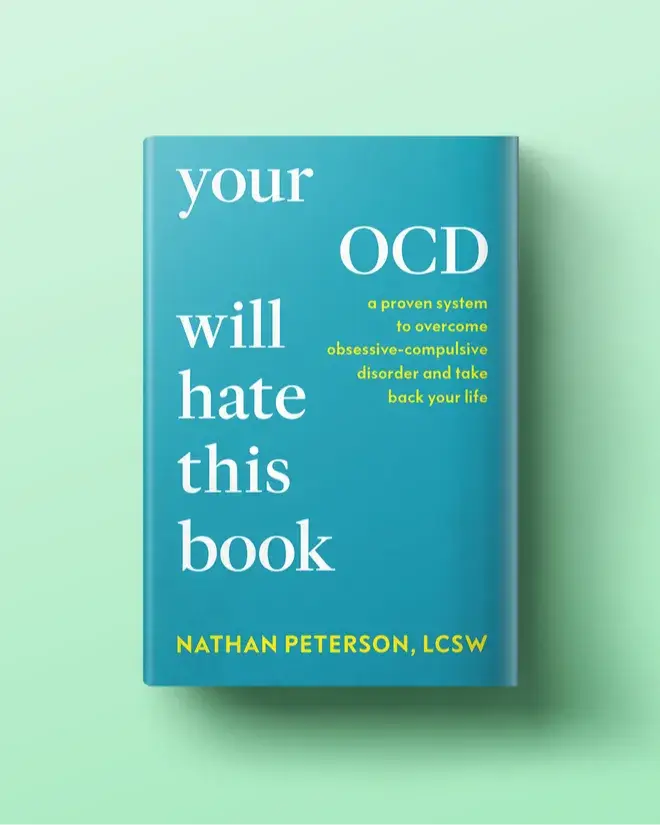
Nathan Peterson, LCSW — Licensed therapist specializing in OCD, anxiety, and related conditions. Nathan has helped thousands of people through evidence-based treatment and education.
LCSW Licensed Therapist | 10,000+ Course Students | 24M+ YouTube Views | Penguin Random House Author
 |
Ready to build your exposure plan?Master Your OCD walks you through ERP step by step — including how to build an exposure hierarchy for claustrophobia, fear of flying, and all anxiety-based fears.
|
Author