7 Tough Love Truths About OCD Recovery Nobody Says Out Loud
Jun 17, 2026
Being nice is what's keeping you stuck.
There are things about OCD recovery that people don't often say out loud. Things that are uncomfortable to hear. Things that might make you not like me by the end of this post.
But if you actually want to get better — here it is straight. Seven things, no filter.
TRUTH #1
Go get a diagnosis.
If you're on the forums asking strangers if you have OCD — go see a psychiatrist or therapist and get an actual diagnosis. Other people on the internet cannot diagnose you. Stop crowd-sourcing your mental health and go get a professional opinion.
TRUTH #2
OCD is chronic. There is no cure.
I almost hesitate saying this because people immediately take it the wrong way. No cure doesn't mean you're doomed forever. It means you might have thoughts occasionally. You might have days, months, even years where you're not feeling anything. But if you haven't had symptoms for a year, that doesn't mean you're cured — it means you've recovered for now.
And if you're being sold a cure? Don't fall for it. That's a sales tactic from people who want to send you through a loop and take your money. A lot of wasted time. A lot of wasted money.
The goal isn't to never have a symptom again. It's to live the life you want to live — which is absolutely possible.
TRUTH #3
Talk therapy is the wrong treatment.
If you're just getting into treatment and someone has you analyzing your childhood, figuring out why you have OCD, or just talking through your thoughts — that's not OCD treatment. That's talk therapy. And for OCD, it's the wrong tool.
You need Exposure and Response Prevention (ERP). A behavioral therapy. The sessions should be spent planning exposures or doing them. When you interview a new therapist — and it's okay to interview them — ask how many OCD cases they treat, what they specialize in, and what treatment looks like. The answer should include ERP.
A good OCD therapist should be giving you exposure homework and doing the actual work with you — not just talking about how OCD makes you feel.
TRUTH #4
No one can make you recover but you.
Your therapist can give you the homework. They can nag you. You can show up next session and say you didn't do it. But you are the person. Your family can't fix it. Your partner can't do it for you.
And here's the part nobody wants to hear: school, work, kids, driving them places, all of it — that stuff isn't going to stop. We have to add OCD treatment into that life. Not wait for life to calm down. It's not going to calm down. If you don't do it that way, it just doesn't happen.
During treatment, expect to do exposures every single day. Not once — many, many, many times. The people who recover are the ones who treat it like a part-time job. Some people pause life entirely and do exposures five hours a day. That kind of commitment is what moves the needle.
TRUTH #5
Stop waiting to be ready.
There is no perfect moment. The compulsions keep cycling. Avoidance grows. And every day you wait is another day OCD has the upper hand.
"But I can't do that exposure. I'll have a panic attack. I won't sleep. I won't enjoy anything." Okay — when does that change? What is the magical moment where you'll be ready? It doesn't come. We do the exposure even though you might have a panic attack. Even though you might have sleepless nights.
Not recovering is the biggest risk of all. Retraining your brain is tough. But living in fear is harder. The more compulsions you do, the less sure you become — and the more you feel like you have to keep doing them. You're feeding the cycle.
TRUTH #6
Recovery is something you maintain — not something you finish.
After treatment you're not cured — you're recovered. And recovery is ongoing. Like any skill you want to keep, you have to keep working on it.
The goal of treatment is to make you your own therapist. You manage your own symptoms. You have slip-ups — because they happen — and you don't beat yourself up. You get back on track. You face the fear. You don't do the compulsion.
And the things you do have control over — sleep, diet, exercise, relationships, meaningful work — those matter more than people give them credit for. A balanced life is part of the maintenance.
TRUTH #7 (BONUS)
Stop fighting medication.
I can't tell you to take it — talk to your prescriber. But if you've been doing this for months or years, fighting and fighting and fighting, and you're still not moving — medication might be what kicks you out of that cycle long enough to actually do the treatment.
If you had a headache that lasted for hours, most people would take ibuprofen. OCD is a symptom that's incredibly difficult to live with. Medication isn't weakness. A lot of people kick themselves for not doing it earlier.
Medication isn't a replacement for ERP. But for some people, it's what makes ERP finally possible. Stop making it a bigger deal than it needs to be.
The Mindset That Changes Everything
If you're in the mindset of this isn't fair, why do I have to go through this — you're going to see the symptoms more. You're going to notice how unfair life is.
Yeah, OCD sucks. Nobody is saying it's wonderful. But you can have OCD and still live exactly the life you want to live — if you do the work. Consistently. Without excuses. Starting now, not when the moment feels right.
Take your armor off. Stop protecting. Start doing. Life is worth living — and with the right treatment, you get to choose how it goes.
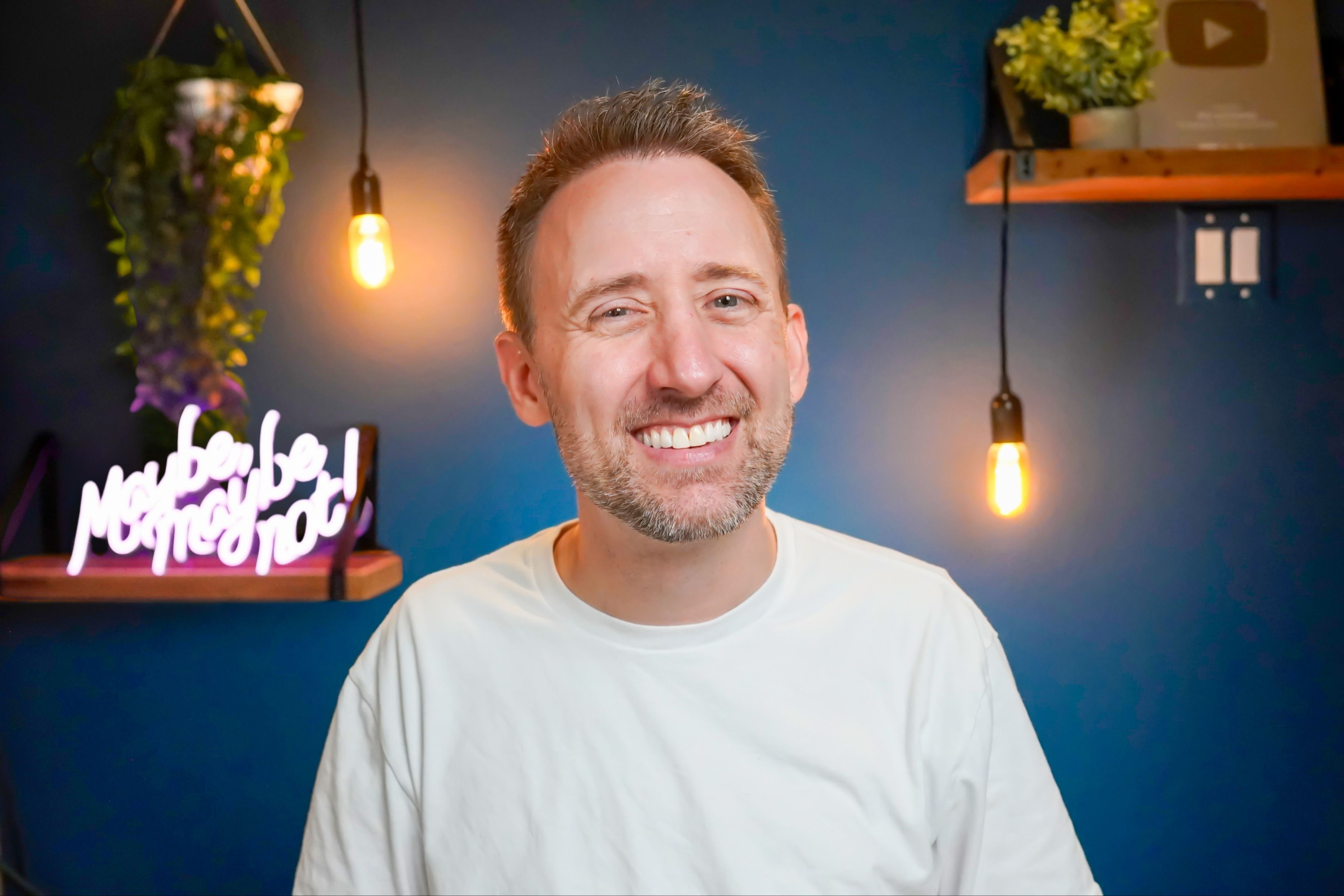
Nathan Peterson, LCSW — Licensed therapist specializing in OCD, anxiety, and related conditions. Nathan has helped thousands of people through evidence-based treatment and education.
LCSW Licensed Therapist | 10,000+ Course Students | 24M+ YouTube Views | Penguin Random House Author
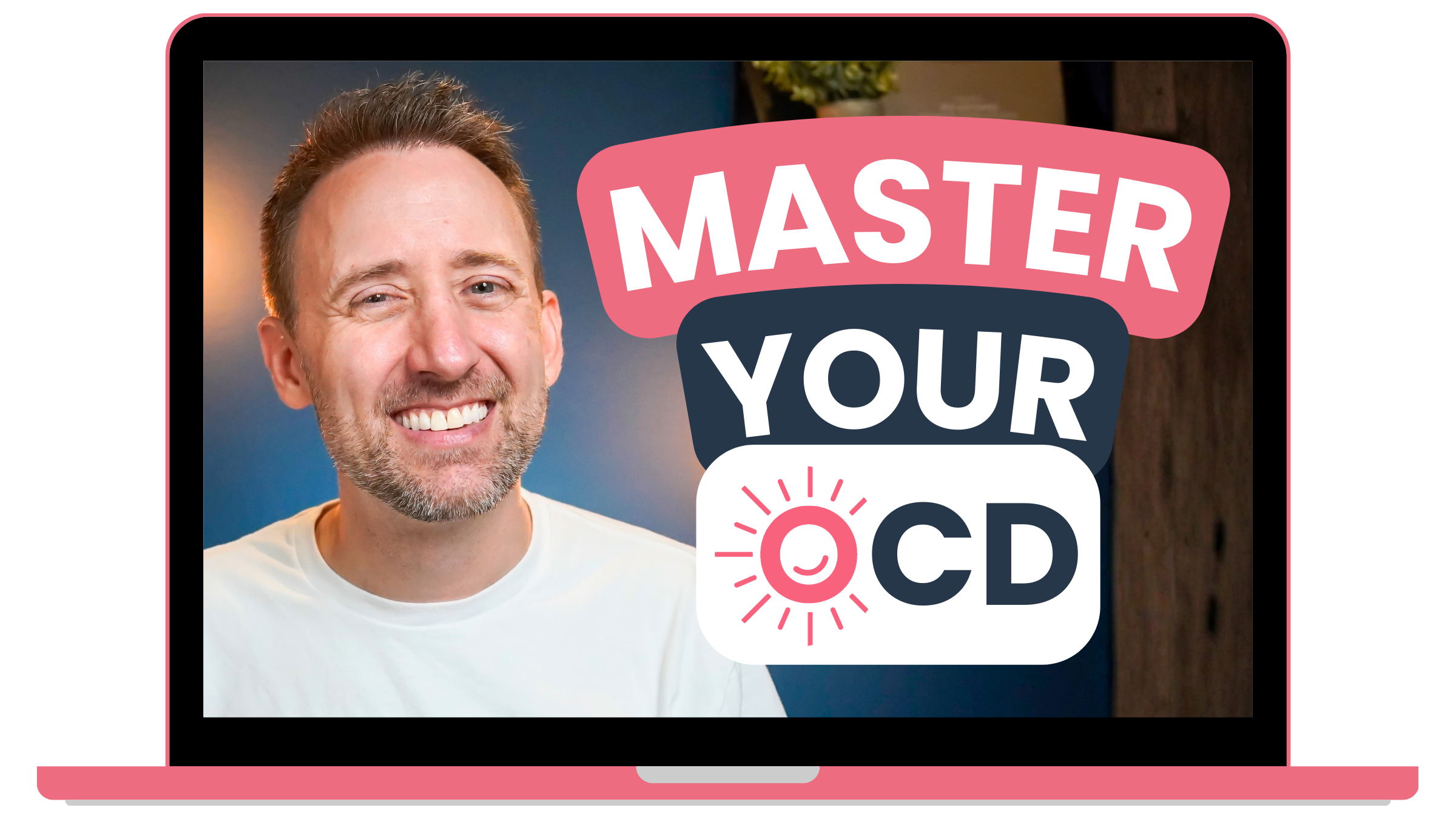 |
Ready to stop waiting and actually do the work?Master Your OCD is a step-by-step ERP course that teaches you exactly how to do the treatment — at home, on your schedule, no excuses.
|
Author