How to Actually Start ERP for OCD (Step by Step)
Aug 05, 2026
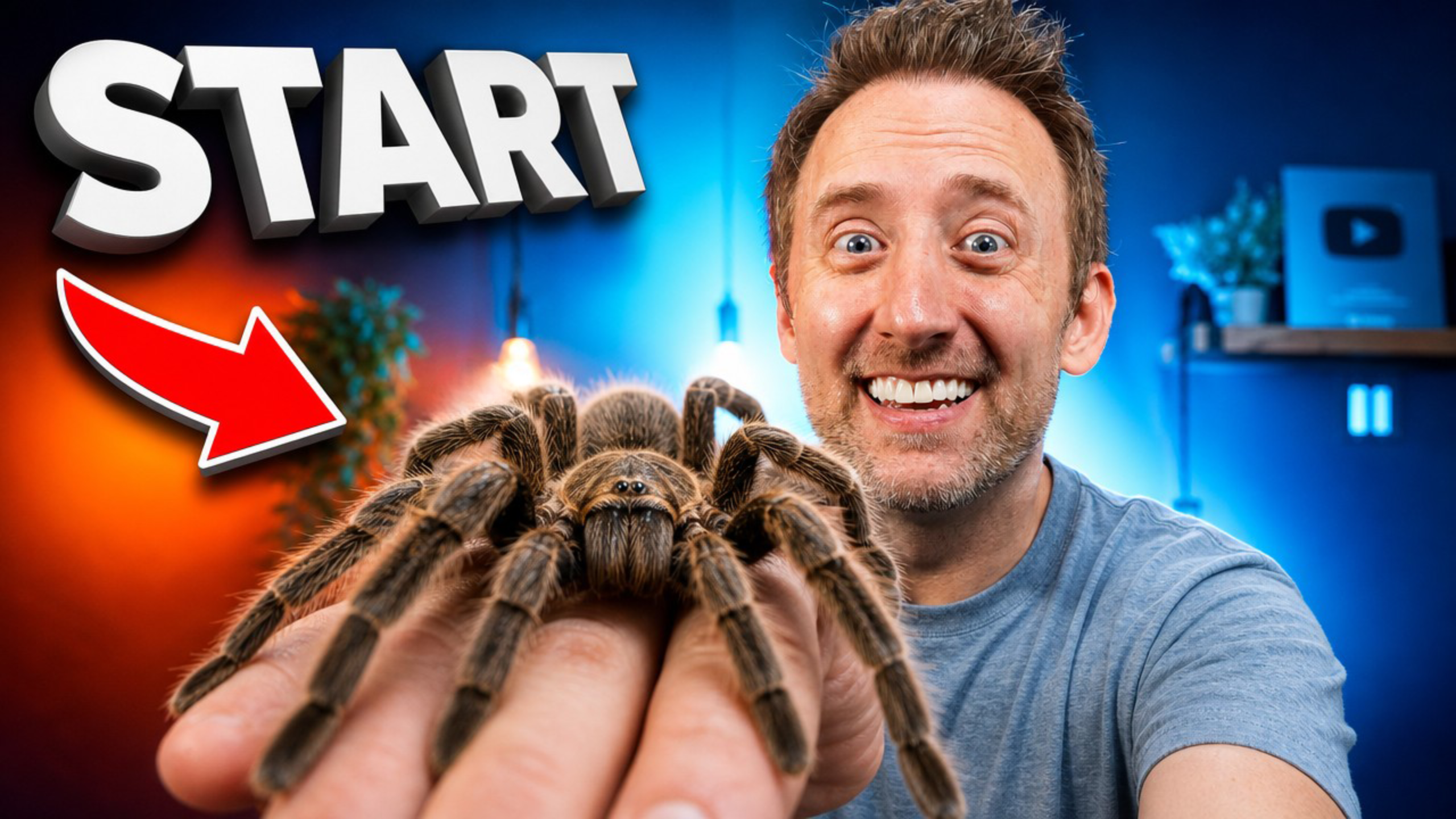
You know ERP is the treatment that works for OCD. You've watched the videos, read the articles, understood the concept. And you still haven't started.
Maybe because every time you think about actually doing it, you freeze. Where do I even begin? What exactly do I do? How do I know if I'm doing it right?
Those are the questions this post answers. By the end you'll have a concrete plan. Not someday. Today.
FIRST, THIS
Why You Haven't Started Yet
There's a reason people understand ERP and still don't do it. It's not laziness or weakness. OCD is just very good at making avoidance sound reasonable.
- ✓ "I'll start when I feel more ready."
- ✓ "I need to understand it better first."
- ✓ "Maybe I should find a therapist before I even try."
- ✓ "What if I do it wrong?"
All of that sounds logical. But a lot of the time it's just OCD keeping you away from the things that could actually help. You don't need to feel ready. You just need a place to start.
THE PLAN
8 Steps to Start ERP Today
Write down your fears and uncertainties
Grab a piece of paper. Write down every fear, every obsession, every what-if that OCD throws at you. Don't filter it. Don't organize it yet. What situations do you avoid? What thoughts send your anxiety up? What do you do to check, repeat, seek reassurance, or stay away from completely? Write it all down. Everything in your head onto paper. That list is your raw material.
Rank them from 0 to 10
Go through your list. How distressing is each one? 0 = barely anything. 10 = the worst. If everything feels like a 10, put items head to head: which one is harder? Take your time. You can even try the thought or touch the item right now to test how it registers.
Start with the smallest one
Find the item with the lowest distress and start there. Even if it's a zero. The goal is to build momentum and prove to yourself that you can do it. Some people want to skip to the hardest thing. That can work. But it can also send you through a huge loop and put you off doing exposures altogether. Start small. Work up.
Create your action plan
Decide exactly what you're going to do. Exposures come in two forms:
In vivo — real-world physical exposures. Touch something. Go somewhere. Put yourself in the situation where the trigger happens.
Imaginal — vividly imagining the feared scenario in your head. Used when real-world versions aren't possible, like fear of causing an accident or something bad happening in the future.
Be specific. Not "I'll sit with contamination anxiety." That's too vague. Instead: "I will touch a door handle and not wash my hands for 20 minutes." Specific. Concrete. Doable. Repeatable.
Write down your response phrases before you start
The goal during an exposure is to sit with uncertainty, not resolve it. That means your response phrases are not: "You're going to be fine. This isn't real. It's just OCD." Those are reassurance.
Uncertainty approach: "Maybe this is dangerous. Maybe it's not. I'm not figuring this out right now."
Agreement approach: "Yep. Totally. The worst thing's going to happen. Love it. Hope so." Pick whichever fits your exposure and write it down before you start.
Write down the compulsions you'll want to do
This is the response prevention part. Before you start, write down what you know you'll be tempted to do: wash your hands, ruminate, problem-solve, text someone, walk around in a specific way. Know the compulsion in advance and have a plan for when your brain says you have to do it. You're prepared, not surprised.
Do it — and stay with the anxiety until it drops
Don't just touch the thing and leave. Stay with it. Two ways to know when you're done: the anxiety drops by about half, or you genuinely get bored and stop caring.
Think of it like a cold plunge. Everything initially screams to get out. But if you control your breathing and stay in it, it gets better. Not comfortable — better. The same thing happens with exposures. Could be 2 minutes. Could be 20. The question to hold onto: what is my brain learning from what I'm doing right now? Is it learning you're in danger? Or is it learning you're willing to risk it?
Repeat it — a lot
One exposure is a start. But it's the repetition that changes things. Put it in your calendar. Do it 15 times today. The people who recover are the ones who treat ERP like a part-time job, not something they try once a week and wonder why nothing's changing.
THE CONFIDENCE TRAP
You Don't Have to Be Sure You're Doing It Right
Am I doing the right thing? Am I waiting long enough? Am I saying the right phrases? Am I touching the right thing?
You don't have to be 100% confident to start. You'll learn as you go. That's ERP. The only thing left is to actually do it.
Pick one thing on your list right now. Not tomorrow. Commit to doing something today.
If you want a worksheet that maps out this whole process, including your actions, your response phrases, and your compulsions to resist, the Master Your OCD course has all of it built in. You can preview it free.

Nathan Peterson, LCSW — Licensed therapist specializing in OCD, anxiety, and related conditions. Nathan has helped thousands of people through evidence-based treatment and education.
LCSW Licensed Therapist | 10,000+ Course Students | 24M+ YouTube Views | Penguin Random House Author
 |
Get the full ERP plan with worksheetsMaster Your OCD maps out the entire ERP process step by step, with worksheets for planning your exposures, tracking your progress, and stopping every compulsion.
|
Author