Therapist Reacts to OCD TikToks: The Real Pain Behind Viral Videos
Jan 21, 2026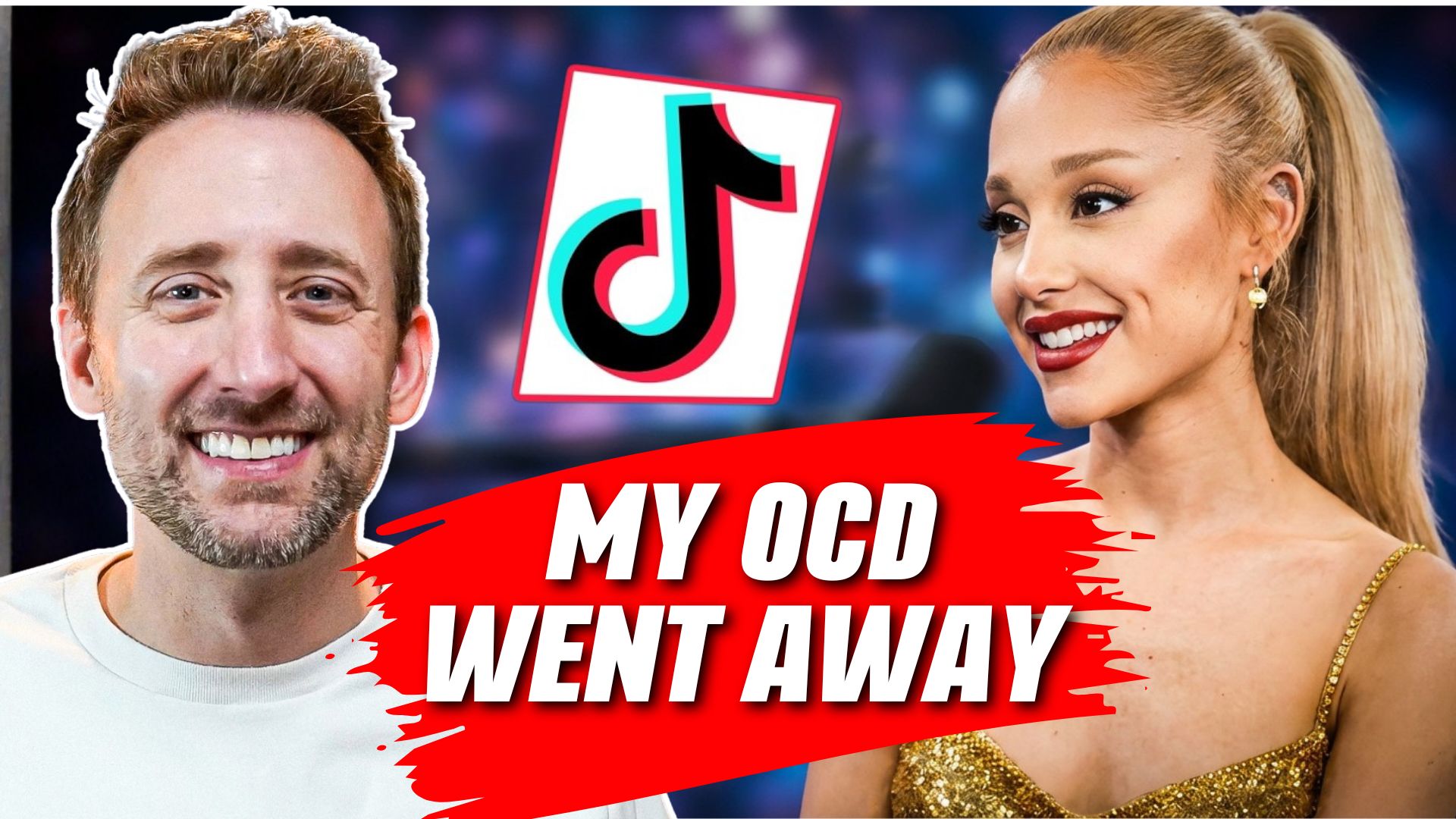
A licensed OCD specialist watches viral TikTok videos and reveals what's really happening behind the "funny" compulsions—and how to actually treat each type of OCD theme.
What TikTok Gets Right (and Wrong) About OCD
I don't use TikTok often.
But recently I went down a rabbit hole of OCD TikTok videos, and I need to talk about what I saw.
As a licensed clinical social worker specializing in OCD treatment for over 15 years, I watched people share their experiences with obsessive-compulsive disorder in ways that were both relatable and heartbreaking.
Some videos were educational. Others were meant to be funny.
But behind every "quirky" OCD behavior is real, exhausting pain that people without OCD don't understand.
Magical Thinking and "Just Right" OCD: When Nothing Feels Right
The first pattern I noticed across multiple videos: magical thinking OCD and "just right" compulsions.
What This Looks Like
One video showed someone walking through a doorway over and over again.
Not because they forgot something. Not because they were confused.
Because it didn't "feel right."
Their brain said: "Until you do this correctly, something bad will happen."
Sometimes people don't even know what that "bad thing" is. It's just a feeling. A sense that something's wrong.
So they repeat the behavior:
- Walking through doorways until it feels right
- Making specific sounds or movements in a particular way
- Touching objects in a certain order
- Looking at things until the visual feels "complete"
Jake Shane's Story: The Pain Behind the Laughter
Jake Shane appeared on a podcast and talked about his OCD experiences.
He had to look in the mirror and smile 10 times before bed—making sure the last thing he saw was himself smiling, or "bad things would happen."
He had to make clucking sounds in a specific tone. His friends found it annoying. But he couldn't stop.
Everyone on the podcast was laughing.
But as a therapist who works with OCD daily, I could see the pain in his eyes.
These compulsions aren't funny when you're living through them.
They're exhausting. Overwhelming. Distressing.
Talking about it later might feel okay, but in the moment? It's torture.
How to Treat Magical Thinking OCD
The treatment is counterintuitive: Break the rules on purpose.
If your brain says you have to cluck in a certain way, do it wrong.
If you need to walk through the doorway "correctly," walk through it incorrectly.
If you have to look in the mirror and smile, look in the mirror and frown.
Use responses like:
- "Maybe something bad will happen. Maybe it won't."
- "I hope I do this wrong. That would be amazing."
- "Cool. Awesome. Let's see what happens."
Take the power away by refusing to play by OCD's rules.
Contamination OCD: When You Can Literally Feel It
One of the most powerful visualizations I saw was someone showing contamination OCD like sticky jelly on their hands.
It's Not Just About Germs
People without OCD think contamination fears are just "I don't like germs."
But for people with contamination OCD, it's a physical sensation.
You can feel the contamination on your skin.
It's overwhelming. It doesn't go away even after washing.
That's why people with contamination OCD wash their hands until they bleed.
Not because they think germs are still there logically—because they can still feel the contamination.
The Treatment: Feel It On Purpose
The ERP approach for contamination OCD is to feel the sensation on purpose.
Touch the thing that makes you feel contaminated.
Hold it. Let it be with you.
Say things like:
- "I love this jelly on my hands."
- "I hope this feeling lasts all day."
- "This is amazing. Sweet. Cool."
Go touch the triggering object again. Make it your buddy.
You're changing your relationship with the sensation.
The feeling won't last forever. And you don't need to "make sense" of whether it's real or not.
You feel it because you feel it. So let's change how you respond to it.
Responsibility OCD: The "Just in Case" Trap
Another common theme in the TikToks: responsibility OCD.
What This Looks Like
Videos showed people:
- Checking expiration dates obsessively before eating anything
- Making sure the door is locked multiple times
- Verifying the stove is off
- Ensuring the dog can't escape
The underlying fear? "If something goes wrong, it will be MY fault."
This hyper-responsibility is crushing.
Nobody wants their house to burn down or their pet to get hurt.
But with OCD, this normal concern becomes overwhelming and all-consuming.
The "Just in Case" Mentality
People with responsibility OCD live in a constant state of "just in case."
- "I'll check one more time, just in case."
- "I'll verify the expiration date, just in case."
- "I'll make sure the dog is secured, just in case."
But the checking never provides lasting relief.
Because OCD always comes back with another "what if."
The Treatment: Risk It
The treatment for responsibility OCD involves deliberate risk-taking:
Leave things plugged in.
Don't check the lock.
Let the dog out without triple-checking the fence.
Use uncertainty responses:
- "Maybe the house will burn down. Maybe it'll be my fault."
- "Maybe the dog will get out. Maybe I'll be responsible."
- "Maybe I'll get food poisoning. Maybe I won't."
Or agree with the fear:
- "I hope my house burns down. That would be interesting."
- "I hope the dog escapes. What a fun adventure he'd have."
When you turn it into something silly or ridiculous, it loses power.
The Internal Dialogue of OCD: Rules, Rules, Rules
One TikTok perfectly captured the exhausting internal dialogue of OCD:
"I'm tired. I should shower so it'll wake me up. If I'm going to shower, I should exercise first so I don't have to shower twice. If I'm going to exercise, I should eat first. If I'm going to cook, I should have coffee first so I can have energy to cook."
This endless loop of rules keeps you from being present.
You're not living in the moment—you're stuck in your head trying to do everything "correctly."
Write Down Your OCD Rules
If you've never done this before, write down all the rules OCD tells you:
- You have to do this before that
- You have to ask for reassurance
- You have to complete this compulsion
- You have to check this many times
Writing them down helps you call out OCD.
You can see the patterns and recognize: "Wait, you're wanting me to do THIS? That's a lie. I'm doing it anyway."
The Biggest OCD Misconception TikTok Reinforces
One video showed someone being told: "Your place is always a mess. How dare you say you have OCD?"
This is one of the most damaging misconceptions about obsessive-compulsive disorder.
You Don't Need a Clean Room to Have OCD
OCD isn't about being organized or liking things clean.
Yes, some people with OCD have contamination fears that lead to excessive cleaning.
But there are dozens of other OCD themes:
- Harm OCD (intrusive thoughts about hurting others)
- Relationship OCD (obsessing over whether you're with the right person)
- Real event OCD (ruminating over past events)
- Magical thinking OCD (performing rituals to prevent bad outcomes)
- Religious OCD (scrupulosity, blasphemous thoughts)
- Pure O (mental compulsions without visible rituals)
Your room can be dirty in ALL of them.
OCD isn't about tidiness. It's about intrusive thoughts triggering anxiety, followed by compulsions for temporary relief.
What Ariana Grande Revealed About OCD and Living Life
One of the most insightful clips I saw was Ariana Grande talking about her OCD.
When OCD Subsides
She said her OCD went away when she was busy creating, working, finding community in theater.
Not because she was "distracting herself" from thoughts.
But because she was living life regardless of the intrusive thoughts.
This is crucial:
When you isolate because of OCD—waiting for it to get better before you start living—that's where OCD thrives.
But when you're busy living, your brain realizes: "Oh, we're doing this anyway. These thoughts don't control us."
The Downtime Question
But Ariana also mentioned something important:
In the downtime between projects, she catches herself thinking: "Is it still here? Is that thing coming back?"
And here's the response that helps:
"Yeah, I hope so. Hope I'm still having these thoughts. Amazing."
Keep living anyway.
The thoughts don't need to disappear for you to have a full life.
The Pain Behind "Funny" OCD Content
Here's what I want you to understand after watching these TikToks:
Yes, some of the videos are relatable. Some are meant to be funny.
But behind every "quirky" compulsion is someone experiencing real distress.
When you see someone talking about their OCD experiences:
- Ask them how they're doing now
- Ask how they got through it
- Recognize the pain, even if they're laughing about it
Don't just say "Oh that's funny" or "That's so OCD of you."
OCD is exhausting. It's painful. It steals your life if you let it.
But with proper treatment—exposure and response prevention, working with a therapist, using the right responses—people recover.
If You Related to These Videos
If you watched any of these TikToks and thought "That's me," you're not alone.
Millions of people experience OCD symptoms.
And the more we bring awareness to what OCD actually looks like—not just the "clean room" stereotype—the better.
Here's what to do next:
- Find a therapist who specializes in OCD and ERP
- Write down your compulsions so you can recognize them
- Start breaking OCD's rules on purpose
- Keep living your life regardless of intrusive thoughts
You can do treatment on your own at home, but having someone to talk to who understands makes a huge difference.
OCD is treatable. You don't have to live like this forever.
Nathan Peterson, LCSW
OCD and Anxiety Specialist
Creator of "OCD and Anxiety" YouTube Channel
Developer of Master Your OCD Online Course
Author