Real Questions from Reddit's OCD Community
Nov 05, 2025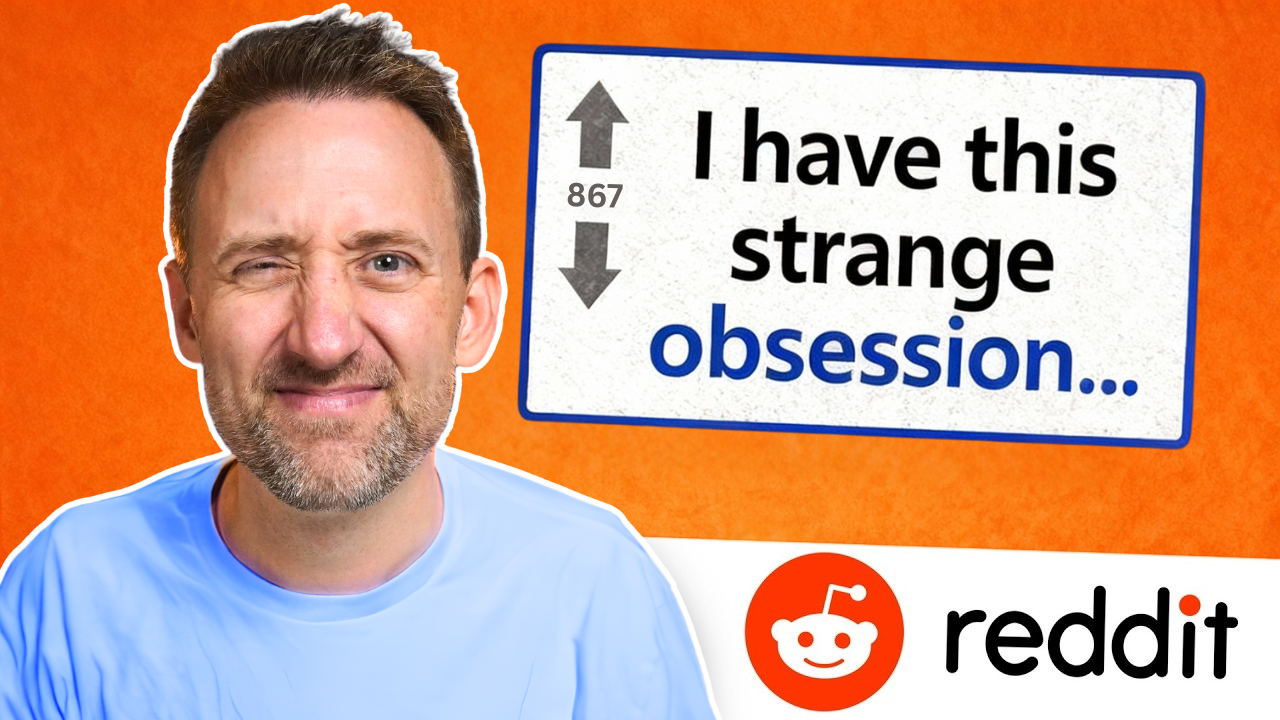
What I Found and How to Help
I decided to do something different - scroll through Reddit's OCD forum and answer questions in real time. What I found was a mix of genuine help-seeking, success stories, and unfortunately, a lot of reassurance-seeking disguised as questions.
Here's what came up and how we can approach these common OCD struggles therapeutically.
"I Don't Know What I Did to Be Born with This Disorder"
This heartbreaking post reminded me why education matters. OCD is difficult to experience, but you can still live the life you want to live. You didn't do anything wrong to be born with this disorder. Your parents didn't do anything wrong either.
We know there's a genetic component to OCD. What it tells me about someone who experiences OCD is that it attacks what they really care about most. If you have OCD, you're likely someone who:
- Is a good person
- Cares about others
- Is intelligent (majority of people I've met with OCD are incredibly bright)
Don't be hard on yourself. There is hope and there are ways out. Use forums to your benefit in positive ways, not for reassurance.
Memory Checking: "I Keep Checking Things I've Done Over a Thousand Times"
A classic example: "Even though I have the memory in my head, I've got to check at least 10 more times that I've locked the door or put my phone in the right place."
OCD is the doubting disorder. It doesn't matter how many times you check - it's going to keep popping up and creating even more rules: "Do it this way. Start taking pictures. Are you sure you locked it? You didn't lose your wallet, did you?"
The ERP Response
Instead of checking again or looking at the picture you took, sit there and say: "I love this feeling. Maybe something bad will happen because I didn't check one more time. Maybe it's actually unlocked. Maybe, maybe not."
Your goal is to be uncertain about it and trust yourself, even though you don't feel like it. Trust comes from being uncertain more than from checking, because your brain's not sure and you're willing to risk it.
You're teaching your brain something different: "I know you're telling me to check, but I'm not going back."
Fear of Blurting Out Insults
Someone asked about ERP for the fear of blurting out insults to other people. This is a common but under-discussed OCD theme.
The exposure approach (always work with your therapist):
- Go to places where you feel you might blurt something out
- Don't hold your mouth, don't try to protect yourself
- Practice being there with no compulsions
- Think "Maybe I'll say something, maybe I won't"
- Some people even think "I hope this comes out of my mouth - that would be amazing"
Start with smaller places (small cafe, grocery store) and build up. We have to be willing to risk it, because otherwise life just gets smaller and smaller.
Contamination Crisis Turned Opportunity
"Roommate has a friend staying for 2 weeks and using the bathroom too. I'm panicking."
This is a perfect example of unexpected exposure opportunities. You have two choices: sit there and panic for two weeks, or do an exposure.
Exposure means planning it out: "I want them to use that bathroom. I want them to get it all contaminated. After they use it, I want to go in there and give it a big hug - 'I love this place!'"
Plan ahead:
- List all the compulsions you think you'll want to do
- Practice not doing them
- Write out "I hope they use my bathroom and make it really dirty"
- Do this with a huge smile
How can you take value away from this situation?
Real Event OCD: Cringing at Past Mistakes
"Can't stop with intrusive thoughts about stupid things I did when I was younger."
We all have these moments. Some people get over them easier than others. OCD doesn't care that you've learned from the experience - it wants to hold onto it and make it a big deal.
Change your reaction by:
- Writing out exactly what happened
- Asking "What did I learn from this experience?"
- For uncertainties: "Maybe something bad will happen now. Maybe not."
- Let the thought be there - if it wants to stay, it can stay. If it wants to leave, it can leave.
ERP Without Obvious Compulsions
"Is ERP effective if you don't have many compulsions?"
Yes! You don't have to have obvious compulsions to do ERP. Many people don't realize they're doing compulsions when simple behaviors like pushing thoughts away count as compulsions.
Common "hidden" compulsions:
- Pushing thoughts away
- Asking for reassurance
- Rumination (problem-solving, thinking through, trying to find answers)
If something's causing anxiety, go face it (exposure). Be honest about subtle compulsions like mental reviewing.
Success Story: Continuous and Strenuous Practice
One post stood out: "ERP has done it again. After continuous and strenuous practice of ERP, which is not very easy, but the right decisions hardly ever are, I've made quite the improvement."
This person highlighted two crucial points:
- Continuous: You have to do it a lot, not once a week
- Strenuous: It's hard work, but it works
Many people do ERP a few times and say "it's not working" because it actually has to be pretty continuous.
Spotting Reassurance Seeking in Posts
I noticed several posts that were clearly reassurance-seeking disguised as questions. A key indicator: if a post is over a few sentences, it's often a compulsion because you're adding more details and context so people can give you a "good" answer.
This isn't always the case (some people just like to talk), but consider this when writing forum posts.
Contamination Fears: Air and Moving Out
"Accidentally left the door open when I peed. Is the air contaminated now? Should I just move out?"
The responses showed both helpful and unhelpful patterns. Unhelpful: "Sit with discomfort and see that you're going to be fine" (you don't know if you'll be fine).
Helpful: "Maybe it's contaminated, maybe not. The whole world has germs. For those of us with contamination OCD, we have to learn to live with that fact."
It's hard as helpers - we want to give reassurance. But for OCD, it feels so real that reassurance doesn't actually help long-term.
Graphic Imagery Intrusive Thoughts
"The worst part of my OCD are graphic images in my mind that pop out of nowhere."
These images can be extremely distressing and gruesome. Our job is not to put value on them - we're not saying they're good or bad. A thought is a thought, whether it's a butterfly or something gruesome.
Responses to try:
- "Hey thought, you're welcome to stay if you want, welcome to leave if you want"
- "You have no value unless I give you value"
- "Cool thought, bro"
If specific things trigger these thoughts more often, those become your exposures. If you enjoy true crime and want to keep watching it, do it and let the thoughts come. Trying to get rid of thoughts makes them come back stronger.
Using Forums Effectively
Forums can be incredibly helpful when used correctly:
Positive Uses:
- Sharing success stories
- Learning about treatment approaches
- Feeling less alone in your struggles
- Getting education about OCD
Avoid These Patterns:
- Seeking reassurance through detailed "Am I okay?" posts
- Comparing your symptoms to determine if you "really" have OCD
- Looking for guarantees that nothing bad will happen
- Adding excessive details to get the "right" answer
The Bottom Line
Reddit's OCD community shows both the struggles and resilience of people dealing with this condition. The key is using these spaces for education and support rather than reassurance.
Remember:
- You didn't do anything wrong to have OCD
- ERP works when done consistently and intensively
- Uncertainty is the goal, not certainty
- Many compulsions are mental/subtle
- Success stories remind us recovery is possible
Whether you're dealing with checking, contamination fears, real event obsessions, or graphic imagery, the principles remain the same: face the fear, resist the compulsion, accept uncertainty, and keep living your life.
Author