NF's "Fear" Shows the Brutal Reality of OCD: A Therapist's Reaction
Jan 07, 2026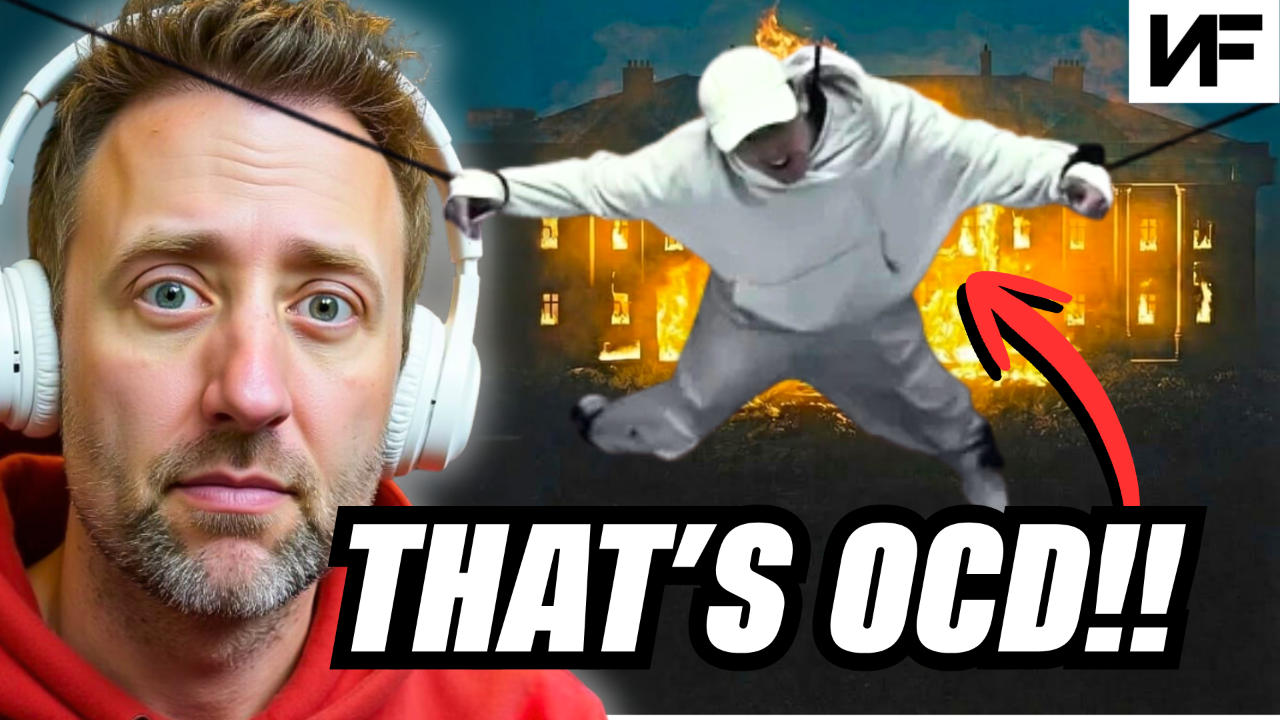
What happens when one of music's biggest artists gets brutally honest about OCD? A licensed therapist breaks down NF's "Fear" and explains what's really happening in the mind of someone with obsessive-compulsive disorder.
Understanding OCD Through NF's "Fear" Music Video
NF's latest music video, "Fear," isn't just another song about mental health struggles.
It's one of the most accurate depictions of living with OCD that mainstream media has ever produced.
As a licensed clinical social worker specializing in OCD and anxiety treatment for over 15 years, watching this video gave me goosebumps. Not because it's dramatic or exaggerated—but because it's real.
When Compulsions Keep Knocking at Your Door
The opening line hits immediately:
"Hello darkness, my old friend. Knocking at my door again. Begging me to come outside. Let you back into my life."
This perfectly captures what people with OCD experience even after making significant progress.
The compulsion never fully goes away.
No matter where you are in your recovery journey, that urge to perform the ritual—to check, to wash, to seek reassurance—keeps knocking. It whispers:
- "Remember me?"
- "Remember how this used to make you feel safe?"
- "Just do it one more time..."
This is the ongoing battle that people without OCD don't understand. Recovery isn't about never having the urge again. It's about learning to not answer the door.
The Desperation Behind OCD Compulsions
Then comes the gut-punch line:
"I'm desperate. So go ahead and come on in."
As someone who works with OCD clients daily, I see this desperation constantly.
People reach a breaking point where they think:
"I'm sick of this anxiety. I'm sick of the loop in my head, the thoughts, the feelings, the images. I need this to go away RIGHT NOW."
And they give in to the compulsion.
Here's what I want you to know if this is you: It's okay.
Giving in doesn't mean you've failed. It doesn't mean you're weak. It means you're human, and OCD is really freaking hard.
The key is understanding why this happens and learning better responses through proper OCD treatment.
OCD Makes You Feel Like You're Losing Your Mind
NF captures something that's rarely discussed openly:
"OCD is worse than ever. Hands are bleeding. Don't know what's going on with me. Some days I actually think I might be losing it."
This visual of bleeding hands from excessive hand washing is powerful.
But here's an important clarification: Not everyone with OCD washes their hands.
That's one of the biggest misconceptions about obsessive-compulsive disorder. OCD can manifest as:
- Contamination fears (washing, avoiding touching things)
- Harm OCD (intrusive thoughts about hurting others)
- Religious OCD (scrupulosity, blasphemous thoughts)
- Relationship OCD (constantly questioning if you're with the right person)
- Pure O (mental compulsions without visible rituals)
- Checking compulsions (locks, stoves, emails)
- And dozens of other themes
What ties them all together? The pattern of intrusive thoughts triggering anxiety, followed by compulsions for temporary relief.
The Cruelest Part: Knowing It Doesn't Make Sense
Here's what makes OCD particularly cruel:
Most people with OCD know their compulsions don't make logical sense.
They recognize that:
- Checking the lock 47 times won't actually prevent a break-in
- Washing their hands until they bleed won't truly keep them safe
- Having a scary thought doesn't mean they'll act on it
But this knowledge doesn't help them stop.
That's when people start thinking "I must be going crazy" or "Maybe I'm schizophrenic."
You're not.
This gap between knowing better and being able to do better is the hallmark of OCD. It's not about logic or willpower—it's about retraining your brain's threat detection system.
Why Me? The Question Every Person with OCD Asks
One of the most emotional moments in the video shows NF asking:
"Watching my life burn to ash while I hold the gas can, asking God if he started this far."
This hits hard because it's so common.
Nearly every person I work with has asked some version of:
- "Why me?"
- "Why did God let this happen?"
- "Am I cursed?"
- "What did I do to deserve this?"
The isolation and unfairness of OCD makes people feel targeted, broken, or spiritually damaged.
Let me be clear: You are not being punished.
OCD is a neurological condition. It's not a moral failing, a character flaw, or divine retribution. It's a brain that's trying to protect you but has its alarm system cranked up way too high.
Lost Years: When OCD Steals Your Life
Another painful truth NF captures:
"Make all my hopes and my dreams come to life just to lay them to rest."
I've talked to countless people who say:
- "I lost my 20s to OCD"
- "I was a normal kid until 15, then these thoughts took over"
- "I couldn't finish college because of this"
- "I've never been in a relationship because of my obsessions"
OCD can make people feel so isolated that they consider giving up entirely.
But here's what I need you to hear:
What you're going through is not the end of the world.
There Is Hope: Exposure and Response Prevention (ERP)
While NF's video captures the pain of OCD beautifully, I want to emphasize something the video doesn't fully explore:
Recovery is possible.
The gold standard treatment for OCD is called Exposure and Response Prevention (ERP therapy).
What Is ERP Therapy?
ERP works by:
- Exposing yourself to the situations, thoughts, or triggers that cause anxiety
- Preventing the compulsion you'd normally do to make the anxiety go away
- Teaching your brain that the feared outcome doesn't happen, even without the ritual
It sounds simple, but it's incredibly difficult—and incredibly effective.
How Effective Is ERP for OCD?
Research shows that:
- 60-80% of people see significant symptom reduction with ERP
- Many experience life-changing improvements within 12-20 sessions
- Combined with medication, results can be even stronger
I've personally worked with people who:
- Lost their entire 20s to contamination OCD—and got their lives back
- Couldn't leave their house due to checking compulsions—now travel freely
- Were tormented by harm thoughts—now play with their kids without fear
They're not special. They just did the work.
Starting Your OCD Recovery Journey
If you watched NF's "Fear" and thought "That's me. That's exactly what I'm going through"—you're not alone.
Here's where to start:
1. Find an OCD Specialist
Not all therapists are trained in ERP. Look for someone who:
- Specializes specifically in OCD treatment
- Uses evidence-based approaches (ERP, not just talk therapy)
- Understands your specific OCD theme
2. Educate Yourself About OCD
Understanding what's happening in your brain helps reduce shame and increases motivation for treatment.
3. Consider Structured Treatment Programs
Online courses, intensive outpatient programs, or even residential treatment can provide the structured support needed for severe OCD.
4. Build Your Support System
Having people who understand OCD—whether through support groups, online communities, or trusted friends—makes recovery easier.
You're Not Crazy. You're Not Alone. Recovery Is Possible.
NF's "Fear" shows the brutal, painful reality of living with OCD.
The compulsions that won't stop knocking.
The desperation for relief.
The knowledge that it doesn't make sense—but doing it anyway.
The lost years and broken dreams.
All of it is real.
But what's also real is this:
People recover from OCD every single day.
Not because their brains magically fixed themselves, but because they learned to respond differently to the knocking at the door.
They stopped answering.
They sat with the discomfort.
They did the exposures even when it felt impossible.
And their lives changed.
If you're in the thick of it right now—if you're watching videos like NF's and feeling seen but also hopeless—I want you to know:
This isn't where your story ends.
There's treatment that works. There are people who understand. There's hope on the other side of this.
You just have to keep going.
Watch the Full Reaction Video
In my complete reaction to NF's "Fear," I break down every moment of the video from a clinical perspective, share stories from my 15+ years treating OCD, and explain exactly how ERP therapy can help you reclaim your life.
If you're struggling with OCD, you're not alone. And recovery is possible.
Nathan Peterson, LCSW
OCD and Anxiety Specialist
Creator of "OCD and Anxiety" YouTube Channel
Author