Living With OCD: Coping Strategies And Support Systems
Mar 06, 2023
Living with Obsessive-Compulsive-Disorder can be an isolating and exhausting experience. It is estimated that 1 in 40 adults and 1 in 100 children in the United States have OCD. If you are one of the millions of people dealing with OCD, you are not alone. There are various coping strategies and support systems available to help you manage your symptoms and live a full life. In this blog post, we will discuss some of the ways to cope with OCD and how to find support for yourself.
Understand Your Triggers
Having an understanding of your own personal triggers is key to managing and living with OCD. While there are no hard and fast rules as to what causes OCD symptoms in any one person, it is important to understand which situations can exacerbate the condition. Common triggers for OCD include stress, fear, traumatic events, change in routine, and certain environments.
Identifying your own triggers can be a difficult task, as many people struggle to identify which particular aspects of their lives could be causing them distress. However, it is worth noting that although each individual will have different triggers, common ones can include feeling overwhelmed by responsibilities, negative self-talk, or exposure to loud noises or bright lights.
It can be helpful to keep a diary or journal of situations that cause an increase in anxiety or obsessive thoughts. This will allow you to identify patterns or common themes that may contribute to the onset of an episode. Once identified, it can be easier to develop strategies to help manage and cope with these triggers in the future.
Develop A Support System
Having a strong support system is essential when living with OCD. Whether it’s family, friends, or professionals, having someone to talk to and rely on can help reduce the stress and anxiety of living with the condition.
Family and Friends: Family members and friends are some of the best support systems for those dealing with OCD. Having someone you trust to talk to about your thoughts and feelings can be invaluable. Friends and family members can also provide reassurance, understanding, and even practical help.
Professionals: Working with a mental health professional such as a therapist or psychiatrist can be beneficial for managing symptoms of OCD. Your doctor can help you create a treatment plan that may include psychotherapy, medications, or both. A mental health professional can also provide guidance on how to cope with symptoms and reduce distress.
Online Support Groups: Joining an online support group can also be beneficial for people living with OCD. This type of support system can offer a safe, non-judgmental environment for sharing experiences, giving advice, and offering support to one another. Online support groups are free, easily accessible, and can be joined from the comfort of your own home.
In short, living with OCD can be challenging, but there are coping strategies and support systems available that can help individuals manage their symptoms and improve their quality of life. By developing a personalized treatment plan that incorporates therapy, medication, and self-care techniques, people with OCD can learn to manage their intrusive thoughts and compulsions and reduce their anxiety levels.
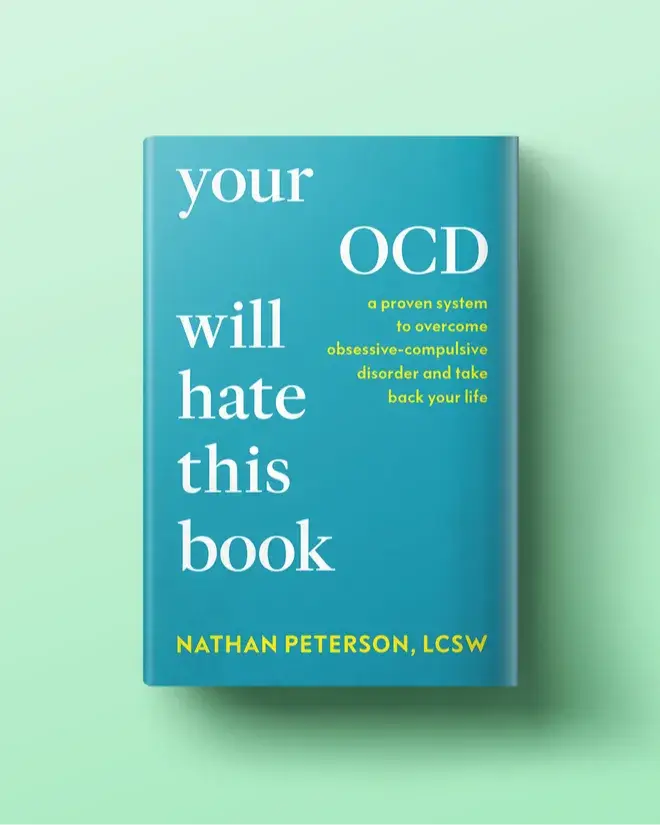
Moreover, online OCD programs can provide valuable resources and support to those who may not have access to in-person therapy or who prefer the convenience of online resources. These programs offer evidence-based techniques and strategies for managing OCD symptoms, as well as a community of individuals who are going through similar experiences.
Author